

You would never take the field without a playbook. The same discipline belongs to the money that arrives with NIL deals.
Five to ten years from now, a handful of today’s high-earning college football players will become cautionary tales. Not because they lacked talent on the field, but because the money arrived faster than the systems to safeguard it.
Big Name, Image, and Likeness deals — some stacking well into the high six figures or more — create sudden income that looks simple on the surface and becomes complicated the moment taxes, lifestyle, and short career windows enter the picture. Missed quarterly estimates, poor documentation of deductions, unstructured entity choices, and lifestyle inflation can turn a windfall into liens, frozen accounts, and long-term stress.
So why would anyone handle life-changing money without one?
The Reality Behind the Headline Deals
NIL income is usually treated as self-employment or independent contractor income. That means:
- No employer withholding — the athlete is responsible for estimated taxes
- Self-employment tax in addition to ordinary income tax
- State tax considerations that vary by residency and where the activity occurs
- Documentation requirements for legitimate business deductions
- Potential multi-state filing complexity for athletes who train, compete, or appear in multiple places
Add the short window of peak earnings, the pressure of agents and intermediaries, and the natural desire to enjoy success, and the margin for error shrinks quickly. One poorly timed audit or a stack of underpaid estimates can create cascading problems that last far longer than the original deal.
Playbook vs. No Playbook
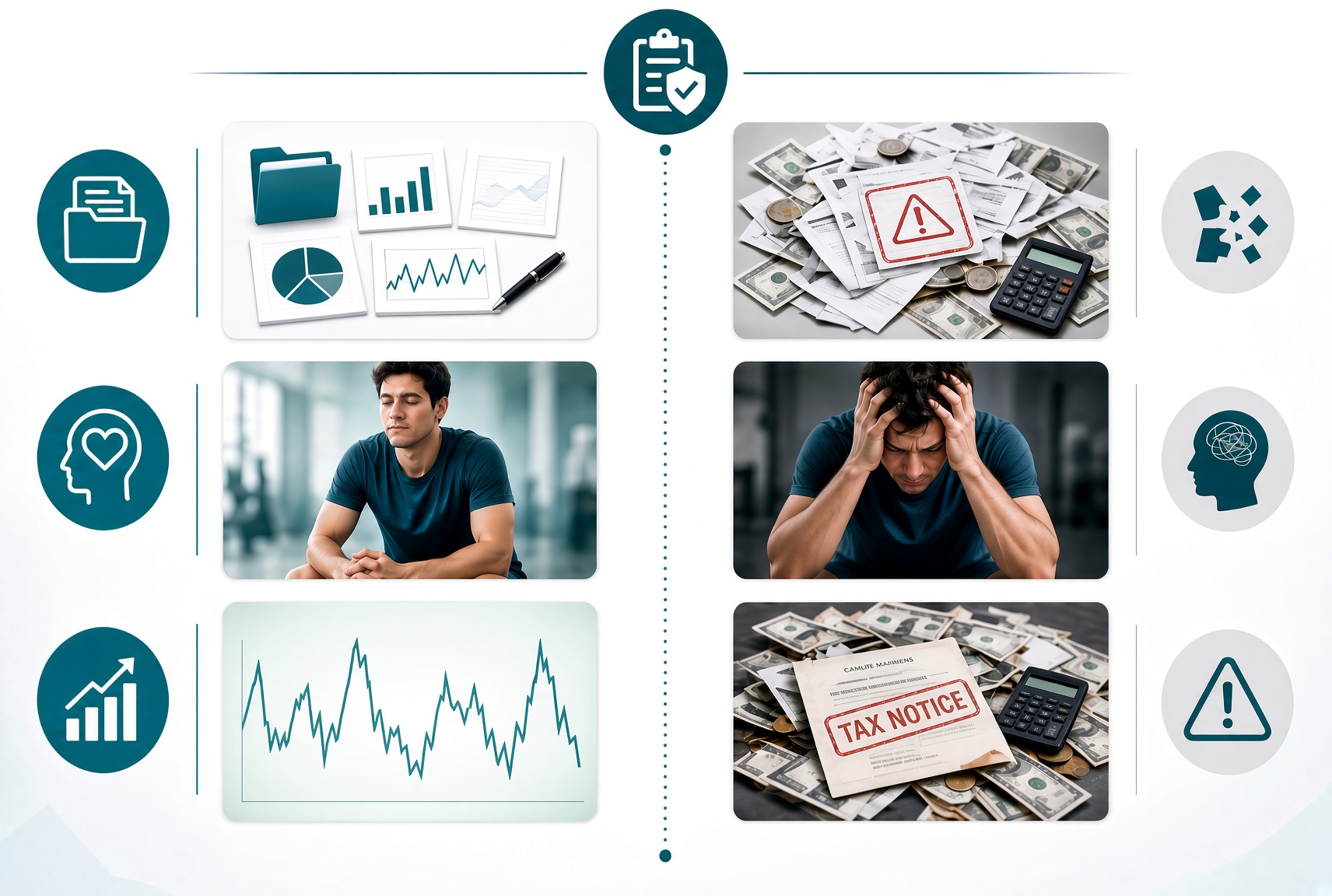
The difference is rarely talent or opportunity. It is the presence or absence of a deliberate system.
Athletes who treat money the same way they treat film study and practice tend to keep more of what they earn and convert it into potentially lasting options. Those who treat it as temporary free cash often discover, years later, that the window closed while they were still reacting.
What a Real Financial Playbook Covers
At Shoreline Planning Partners we organize client work around the Compass 7 Pillars. For an NIL athlete or the family supporting one, several pillars become especially practical:
Estimated tax calendar, entity structure decisions, legitimate expense tracking, multi-state considerations, and coordination with any future professional contracts. The goal is to avoid both underpayment penalties and unnecessary overpayment.
Clear separation of “spend,” “save,” “tax reserve,” and “invest.” Lifestyle design that can survive a drop in income when eligibility ends or the next contract is smaller than expected.
Disability coverage, liability awareness, and basic legal protections so one injury or one lawsuit does not erase the progress made.
Simple, low-drama investment approach that prioritizes staying in the game over trying to hit a home run with every dollar. Early compounding still matters even when the earning years are short.
The remaining pillars — Estate Planning Strategies, Philanthropy, and Value-Added Services — come into play as the athlete’s situation matures. The point is not complexity for its own sake. The point is a written, coordinated system so decisions are intentional rather than reactive.
A Practical Starting Checklist
- Open a dedicated business or NIL operating account separate from personal spending.
- Set a standing estimated-tax transfer the same day any significant NIL payment hits.
- Keep clean records of travel, equipment, training, marketing, and professional fees from day one.
- Define a realistic monthly lifestyle number that can be maintained after the current deal ends.
- Sit down with a financial advisor who will put the full picture on one page before any product is discussed.
Create Your Playbook for Off the Field
College football demands preparation, discipline, and a clear plan. The money that now accompanies the sport deserves the same standard.
Whether you are an athlete, a parent, or a family that wants to help the next generation avoid expensive lessons, the process starts the same way: get the numbers on the table, build a simple system, and adjust as the situation changes.
You would never take the field without a playbook.
If you or someone you care about is navigating NIL income (or any sudden high-earning chapter), let’s build the money playbook that preserves what is being earned.
Reach out when you are ready for a clear, practical conversation.
Shoreline Planning Partners, LLC — Serving athletes with guidance grounded in the Compass 7 Pillars.